From the Ashanti Kingdom to the slave-trade castles, Ghana wears its history visibly.
Cape Coast ranks among the strongest places in Ghana for history. Here's what you should know before you go, and how to actually do it.
Why Cape Coast for history
A coastal town defined by the castle — a UNESCO World Heritage Site and unavoidable encounter with the trans-Atlantic slave trade.
- Cape Coast and Elmina castles — UNESCO World Heritage sites
- Manhyia Palace in Kumasi — Ashanti kingdom history
- Larabanga mosque (13th century) — earliest sub-Saharan Islamic architecture
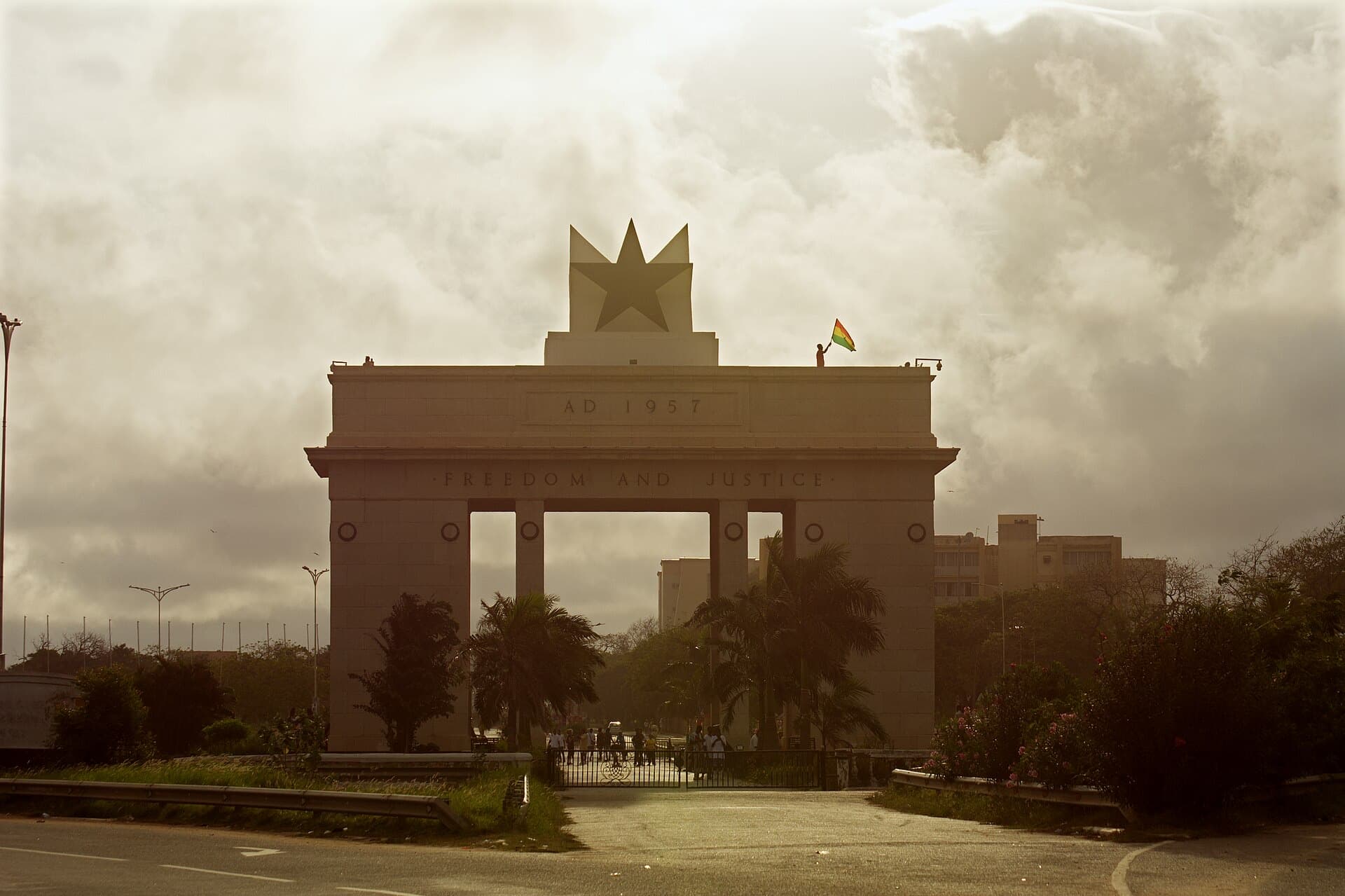
- Independence-era memorials in Accra
What to do specifically
- Cape Coast Castle guided tour and Door of No Return — Cape Coast Castle guided tour and Door of No Return
- Kakum National Park canopy walkway — Kakum National Park canopy walkway
- Elmina Castle and fishing harbour — Elmina Castle and fishing harbour
When to come
November to March; PANAFEST every two years. The shape of the history experience changes meaningfully by season — wet-season history in Ghana is different from dry-season history, and a good planner accounts for this.
How Cape Coast's history compares
Ghana has multiple cities that handle history well. Cape Coast's particular strengths:
- Vibe: History · coastal · contemplative
- Famous for: Cape Coast and Elmina castles (UNESCO sites)
- Best paired with: Castle Restaurant after the experience
We typically suggest pairing history in Cape Coast with one of these adjacent activities:
- Cape Coast Castle guided tour and Door of No Return
- Kakum National Park canopy walkway
- Elmina Castle and fishing harbour
Where to eat after
- Castle Restaurant — sea-facing patio, banku and tilapia
- Oasis Beach Resort — sundowner cocktails on the sand
- Mighty Victory restaurant — fresh-caught fish
Practicalities
- Getting there: STC bus from Accra (3-4 hours) or private car. Best paired with Kakum, Elmina and Anomabo on a 2-3 day swing.
- Where to stay: choose accommodation in Cape Coast town for proximity to the experience.
- Budget: history in Cape Coast is mid-budget by Ghana standards — most experiences are affordable; guide fees and transport make up the bulk of the spend.
Putting it together
A focused day of history in Cape Coast should look something like:
- Morning — the headline experience (book ahead if needed).
- Mid-day — long lunch at one of the spots above.
- Afternoon — an adjacent, lower-intensity stop.
- Evening — sunset somewhere with food and a cold drink.
That sequence works for almost every interest-city combination in Ghana. The AI planner handles the routing automatically when you set the interest and city as inputs.
Plan history in Cape Coast with the AI planner
Set your interest and date — we'll handle the sequencing.